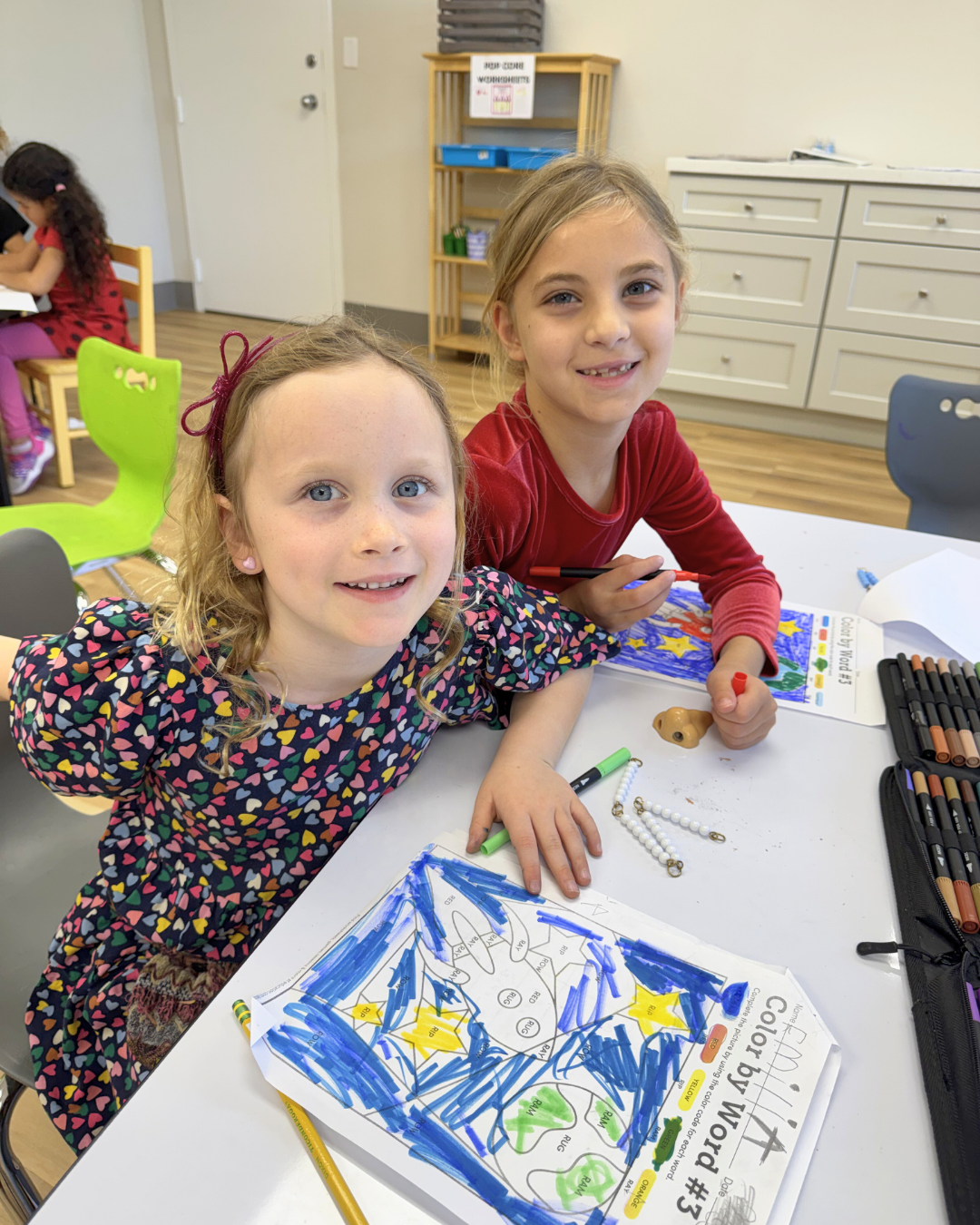
PLAY-BASED SUMMER SCHOOL · AGES 5–7
A Summer That Feels Like Play. Learning That Doesn't Slide.
Spark Summer opens our Spark Studio to learners ages 5–7. Your child gets a real summer — building, exploring, and playing outside with friends — and, without a single worksheet, whether they’re getting ready for kindergarten, locking in what they learned in it, or racing ahead.
Dates: June 14th- August 13th · Hours: 8:00 AM – 4:00 PM · Where: Hyde Park, Tampa
REGISTRATION OPENS DECEMBER 1ST
THE SUMMER QUESTION
You shouldn't have to choose between a real summer and a ready learner.
Summer slide is real — five to seven is when reading and number sense click into place. So is the need to just be a kid. And if your child is heading into kindergarten or first grade this fall, there's a third worry: Are they ready — and will they keep the ground they’ve gained?
Kindergarten readiness, practiced all day long.
Kindergarten teachers look for far more than ABCs. They look for four kinds of skills — and a learner-driven day gives children real, repeated practice in all four, from drop-off to pick-up. Not drills. Just the natural rhythm of a day where kids are trusted to do things for themselves.
Academic skills
Letter sounds. Recognizing and writing their name. Recognizing numbers. Counting with one-to-one correspondence. Reading for the first time. Adding and subtracting beyond 10.
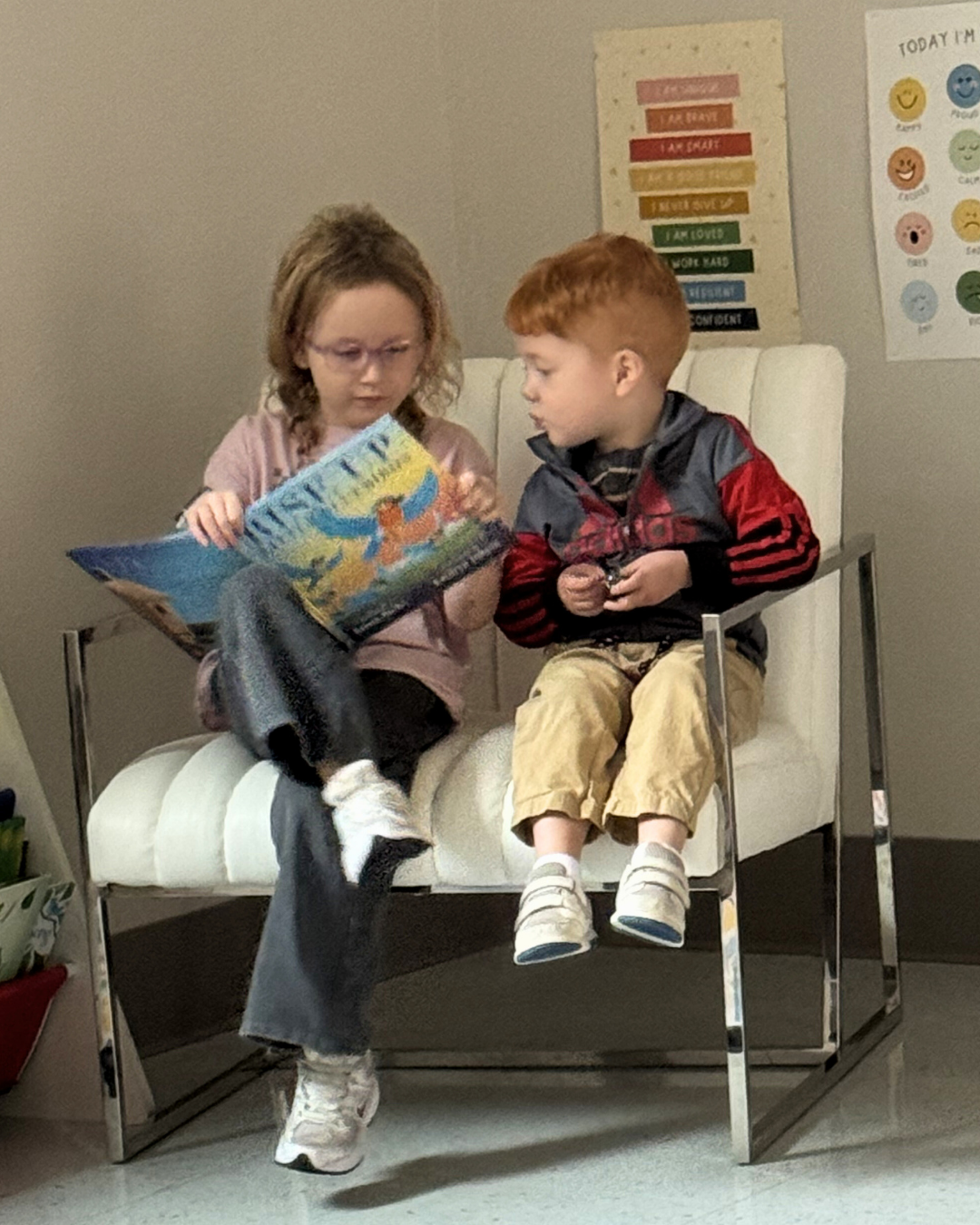
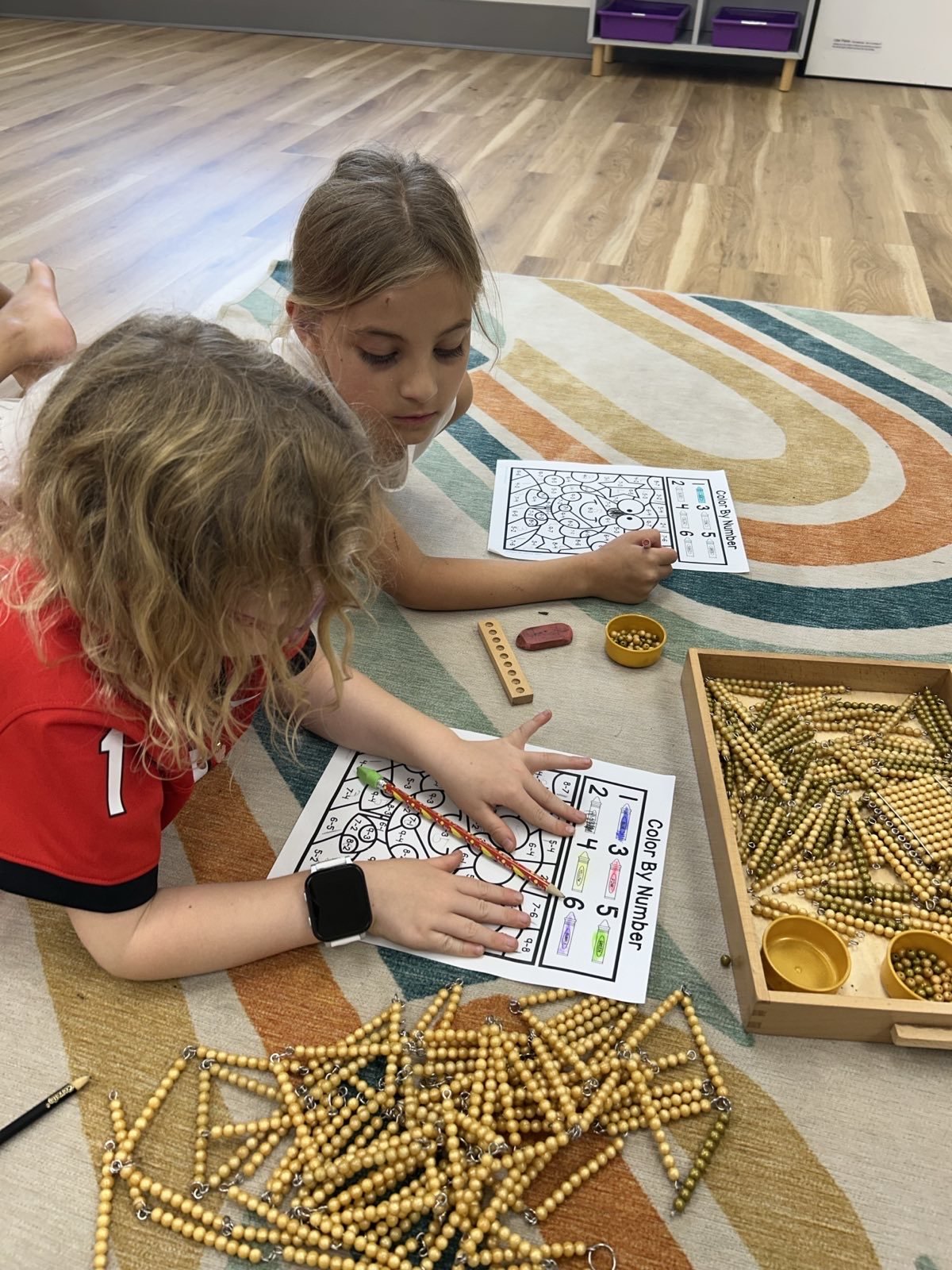
Where it happens: Core Skills with Montessori math materials, Waseca, and BOB Books; POP Core games like phonics bingo and skip-counting; and Storytime, where learners choose to read aloud, listen, or read on their own.
Self-help skills
Opening their own lunch. Buttons and zippers. Using the bathroom independently. Walking in and out of school on their own.
Where it happens: All day, every day. Spark learners manage their own lunch and snack, eat and use the restroom when their bodies say so, care for the studio at Close, and arrive and leave as capable people, not passengers.
Communication skills
Sharing ideas and needs clearly. Listening and following directions the first time. Reading social cues. Working out simple conflicts.
Where it happens: The daily Socratic Launch, studio roles like Timekeeper and Kindness Keeper, creative activities on the daily schedule like WOW in the World, Maker’s Space and Summer STEAM and Guides who coach learners through disagreements instead of solving them for them.
Social-emotional skills
Sharing. Taking turns. Naming feelings. Collaborating.
Where it happens: Tribe Games, team games after Storytime, partner builds in Maker's Space, and free play with friends.
The result: eight hours a day of practice that feels like play — so the first day of school feels familiar, not scary.
Heading into first grade?
Kindergarten isn’t a finish line. Some kids end the year with every box checked and real momentum. Others are almost there — the letter sounds are coming, the counting is close. Either way, summer is where that progress holds, grows, or slips.
Almost There?
Spark Summer gives them 360 more hours to lock in the kindergarten skills — at their own pace, without the pressure of a classroom moving on without them.
On a roll?
Self-paced Core Skills means they keep going. A learner reading BOB Books in June can be reading chapter books by August. Nobody waits for the group.
Either way, they walk into first grade confident, not catching up.
A DAY AT SPARK SUMMER
Here's exactly how the balance works.
Ninety minutes of focused reading and math. The rest of the day is play with a purpose — and every block builds a readiness skill.
8:00–8:30 · Drop Off — Learners walk in on their own and ease into the day with open-ended play, inside or out. Practices: self-help, social-emotional
8:30–8:50 · Launch — A Socratic discussion around an open question like "What makes someone a good friend?" Learners also claim studio roles like Timekeeper and Kindness Keeper. Practices: communication, leadership, ownership
8:50–9:20 · Tribe Games — Team challenges, relays, and partner puzzles. Practices: taking turns, collaborating, communication, critical thinking
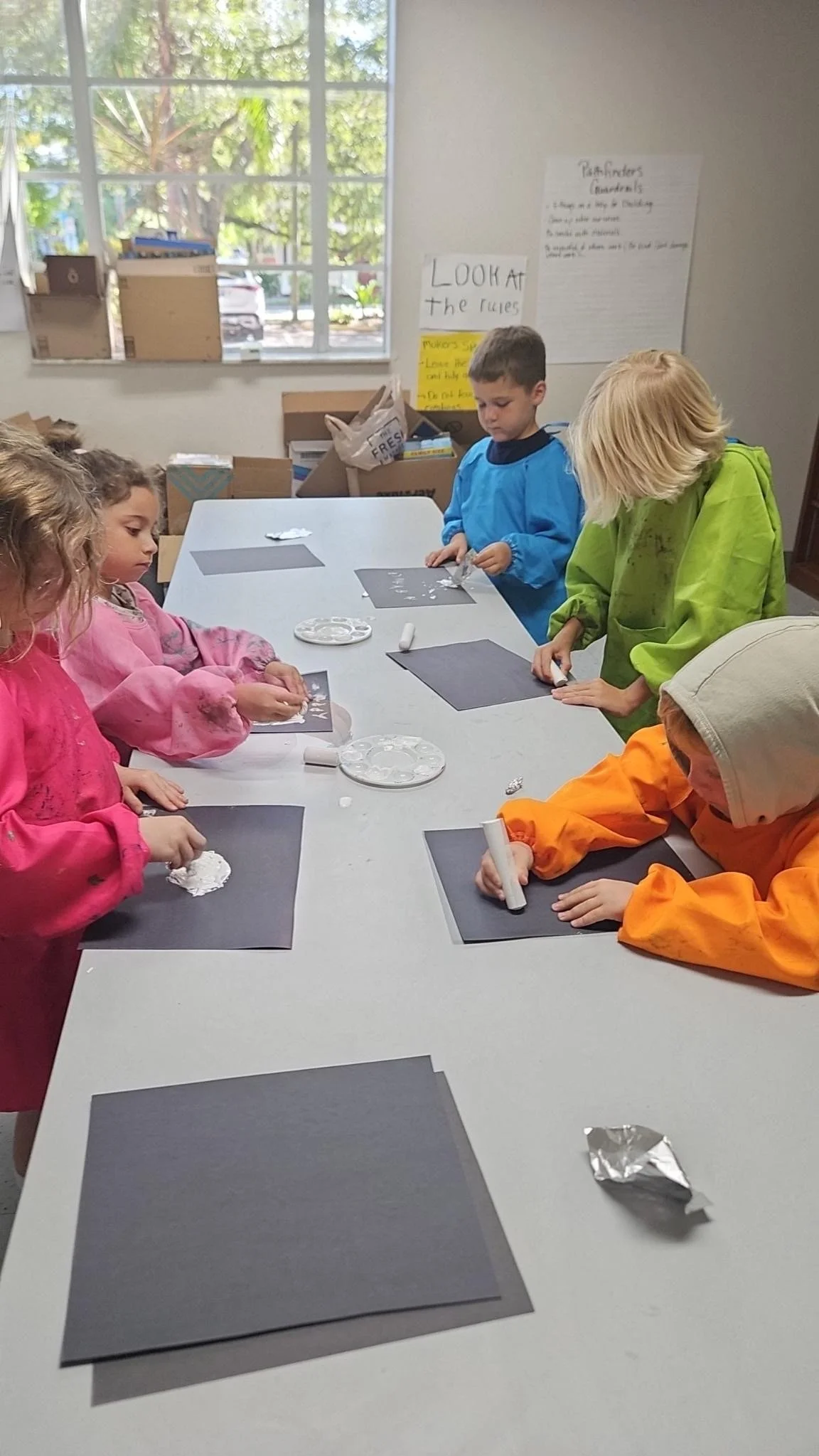
9:20–10:05 · Maker's Space — A Weekly Big Build or Daily Mini-Challenges with real tools. Here, "it didn't work" is the beginning of the story. Practices: fine-motor skills, collaboration, persistence
10:05–10:20 · Snack — Learners open and manage their own snack, then head outside. Practices: self-help
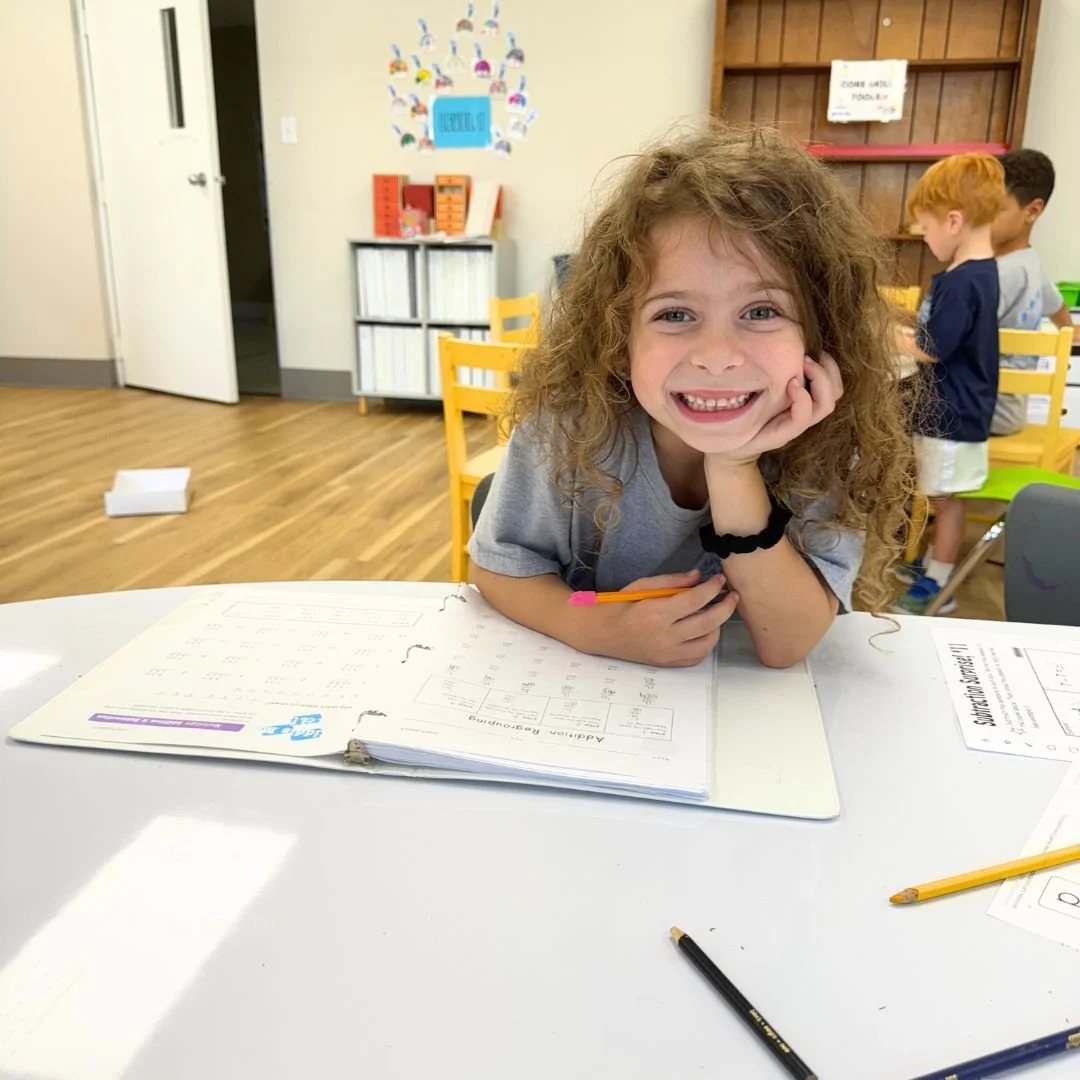
10:20–11:05 · Core Skills — Self-paced reading and math that meets your learner where they are, from first letter sounds and counting to second-grade phonics, reading fluency, place value, and math facts. Guides find each child’s next step on day one, so even a single week builds real mastery. Montessori manipulatives like math beads, 100’s board, handwriting tools, phonics-based Waseca program and BOB Books are just some of the tools available.
Practices: academic, focus, persistence
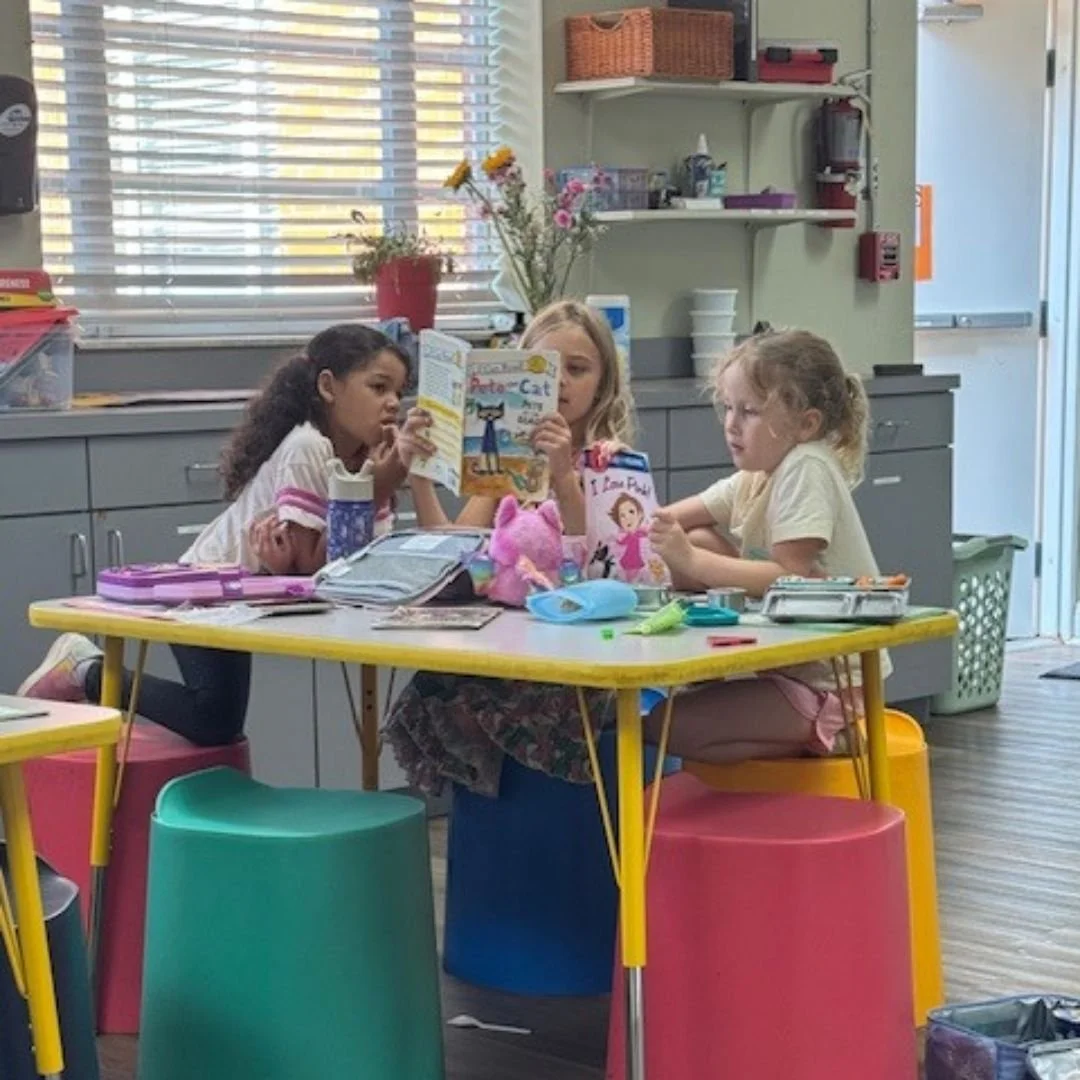
11:05–11:50 · Storytime & Games — Read aloud, listen, or read alone — then the whole tribe plays games together. Practices: academic, taking turns, listening, making choices
11:50–12:20 · Lunch and Outdoor Play — Unpacking their own lunch, opening their own containers, cleaning up, and real conversation with friends. Practices: self-help, communication, making choices
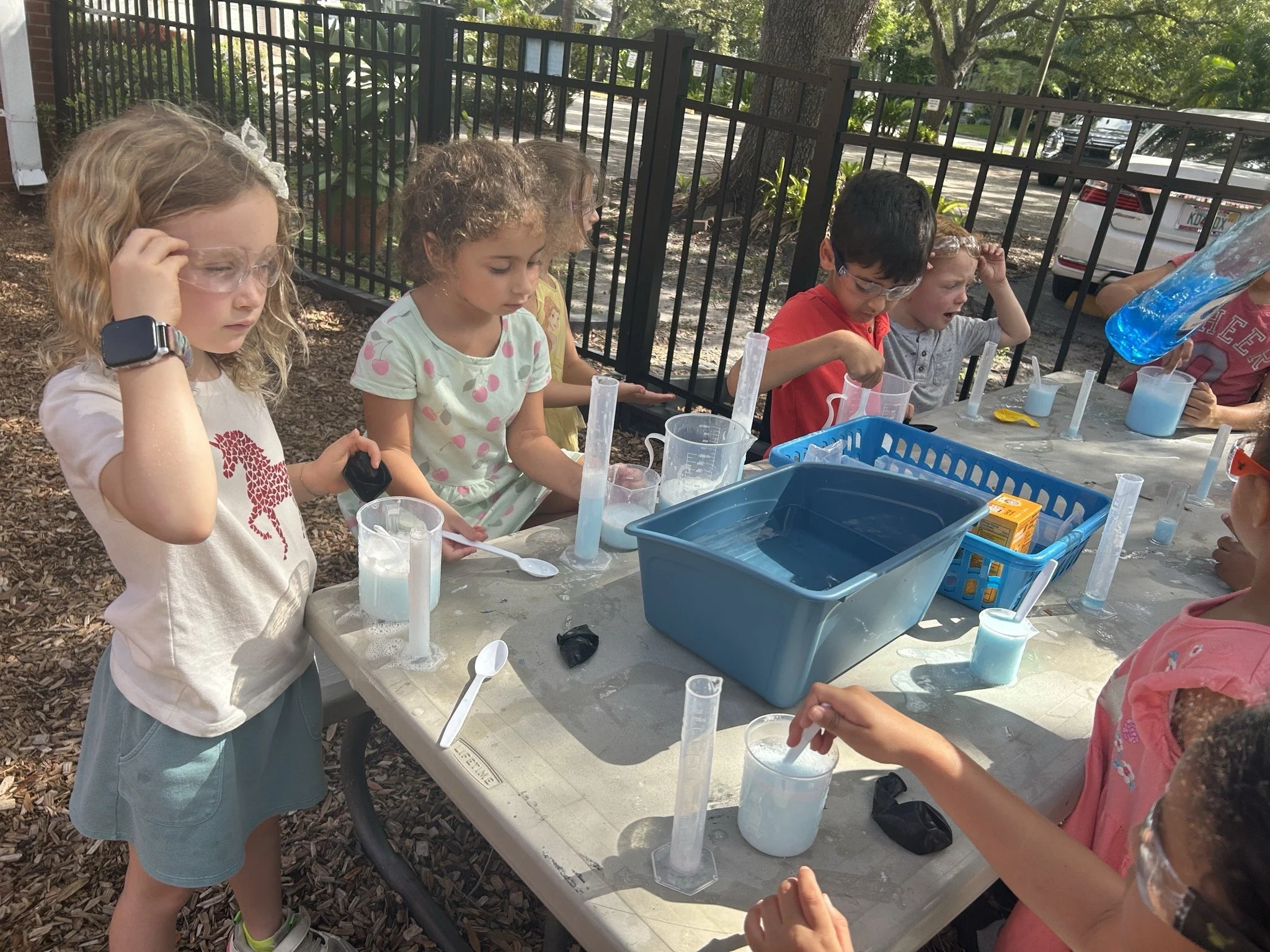
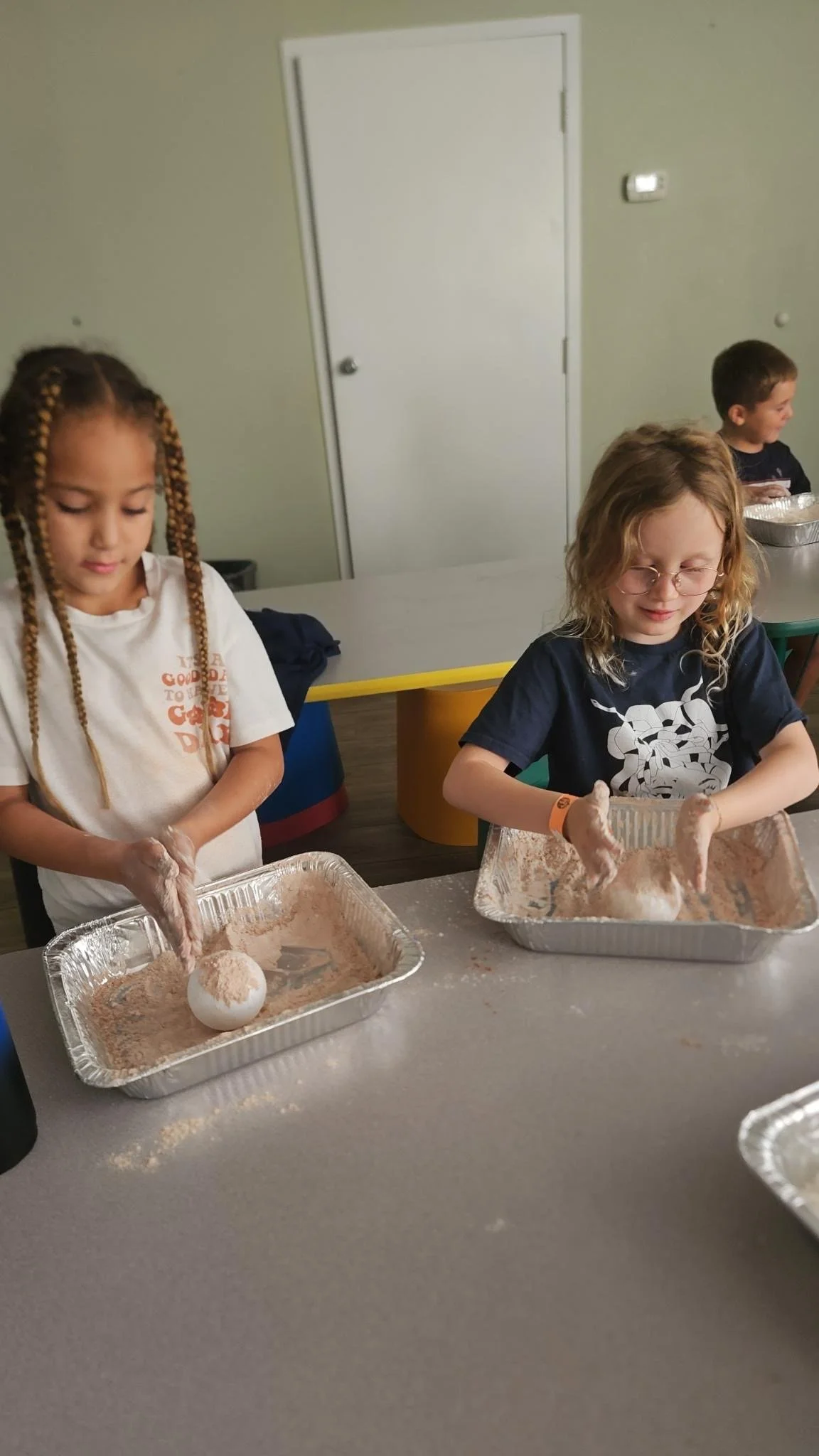
12:20–1:05 · WOW in the World — A hands-on exploration built around what the tribe is curious about: a bubbling experiment, a collaborative art piece, or a story about a hero who made a difference. Practices: communication, collaborating, fine motor skills, creative thinking
1:05–1:50 · POP Core — Guide-led games like phonics bingo, skip-counting, and time-telling races. Practices: academic, listening and following directions, collaboration, focus
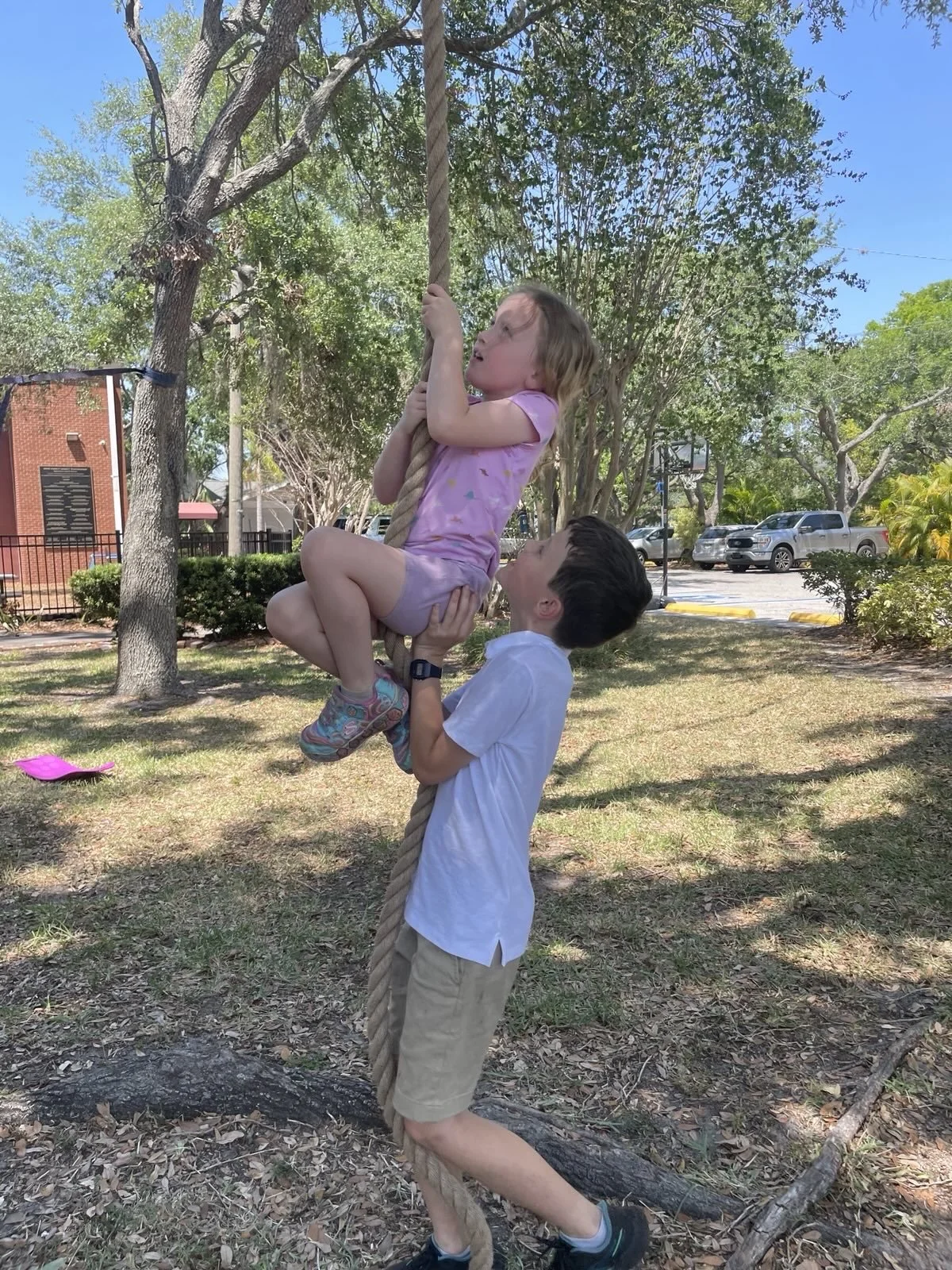
1:50–2:35 · Play — Unstructured, child-directed play. Forts, games, imagination. Practices: sharing, negotiating, working out conflicts, creative thinking
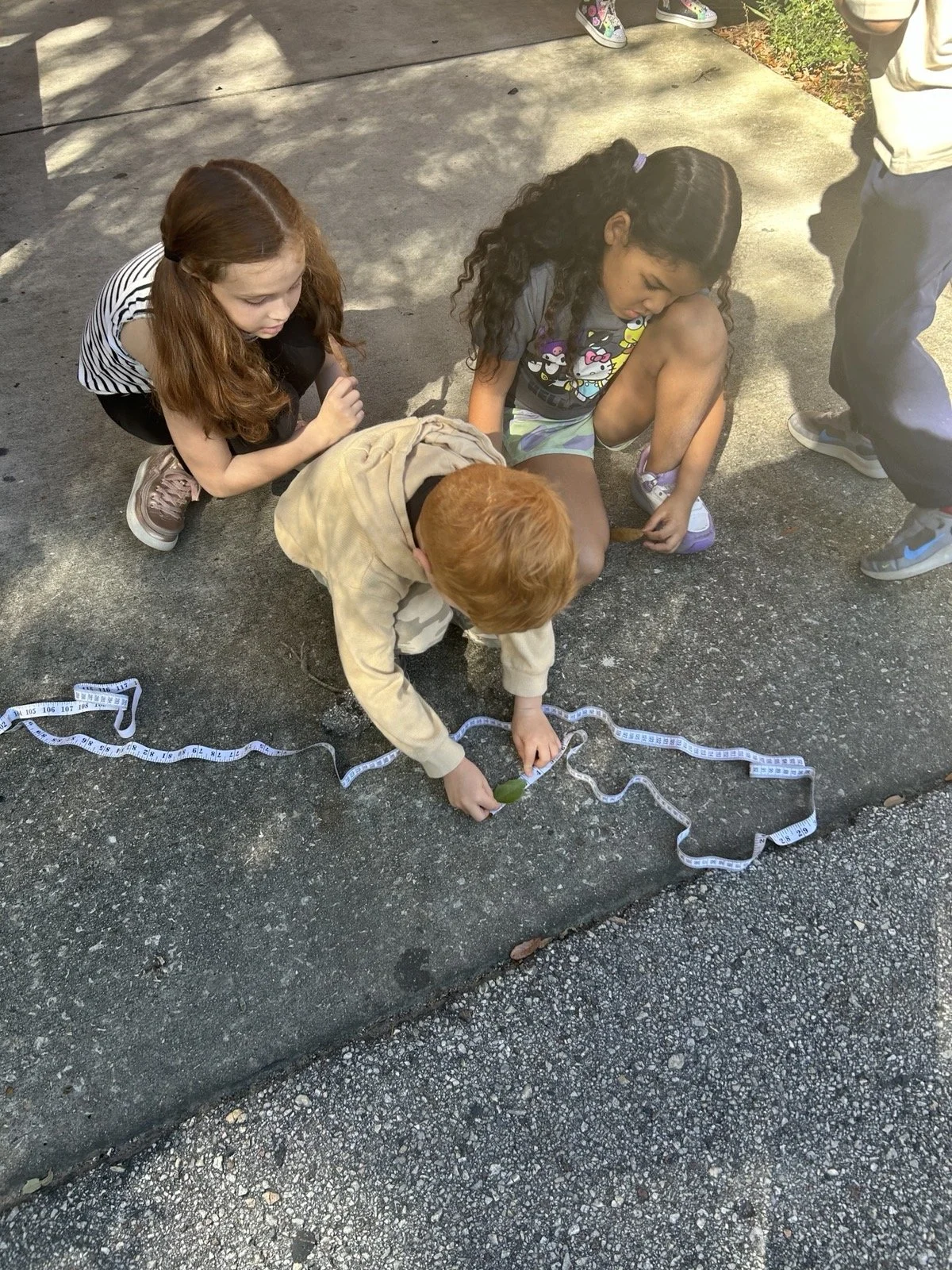
2:35–3:15 · Summer STEM — Summer-themed science and engineering challenges: rockets, towers, exploding volcanoes…experiments aimed to spark critical thinking and teamwork. Practices: collaborating, counting and measuring, building resilience, critical thinking
3:15–3:30 · Close — Learners care for the studio together, then reflect: What did I make? What was hard? What am I proud of? Practices: self-help, naming feelings, ownership
3:30–4:00 · Pick Up — One last run around while families arrive — then out the door on their own two feet. Practices: self-help

No screens. No homework. No worksheets for their own sake. Just a full day of doing things for themselves.


THE DETAILS
One great summer.
Dates: June 14th - August 13th (9 weeks, no school on July 5th)
Hours: 8:00 AM – 4:00 PM, Monday–Friday
Ages: 5–7
Tuition: $320 per 5-day week
$256 per 4-day week
Lunch & snack: Learners bring their own snack, lunch and water bottle
Location: 1309 W Swann Ave, Tampa, FL 33606
Questions parents ask
Is this summer school or summer camp?
Both — and that's the point. Spark Summer follows the same play-based day as our year-round Spark Studio. Your child spends most of the day building, exploring, and playing, with focused reading and math woven in so it never feels like a chore.
Will this really help my child get ready for kindergarten?
Readiness is built through practice, not worksheets. Every Spark Summer day gives your child hours of real reps in the academic, self-help, communication, and social-emotional skills kindergarten teachers look for — at their own pace, with a Guide who knows exactly where they are.
My child just finished kindergarten. Is this still a fit?
Yes — it may be the best time. First grade asks kids to read on their own, hold onto math facts, and manage their own work. Spark’s mastery-based Core Skills meet your child exactly where they are: if a kindergarten skill isn’t solid yet, they get the reps to master it; if they’re ahead, they keep moving. And the independence they practice all day is what first-grade teachers wish every child walked in with.
Is it only for Apollo families?
No. Spark Summer is open to any 5–7 year old. It's also a wonderful way to experience learner-driven education if you're curious about Apollo year-round.
Will there be screens?
Not as part of the day. Spark is a hands-on studio — the occasional short group video is the exception, not the routine.
Who leads the day?
Our Spark Guides. We don't call them teachers — a Guide's job isn't to hand over answers but to ask the questions that help learners discover them.
Can I register For 1 Week?
Yes. Registration is by week. Sign up for the weeks that work for your family.
What’s required for Registration?
Registration opens on Dec 1st. 50% deposit is due at time of registration. The balance is due by March 1st. 100% Refund before March 1st. 50% Refund before April 1st. Email BethAnn@Theapolloacademy.com to request a refund.
Give them a real head start and a fun summer.
Questions? Reach Beth Ann at BethAnn@TheApolloAcademy.com or (678) 787-5446.
only 14 spots. Get first dibs.
Join the early-access list and you’ll be able to register before Spark Summer opens to the public.