Discovery
Ages 8-11
The goal here is to nurture a deep love of learning, while also developing the life skills that matter most: clear communication, kindness, and accountability in relationships with others. Learners don’t just focus on academics—they practice listening, speaking with confidence, and working through challenges together.
The Discovery Studio is about preparing young people to thrive both intellectually and socially, equipping them with the habits of curiosity, collaboration, and character that will serve them for life.
Learning Design
-
Mastery of Core Academics
Learners build strong academic foundations through a combination of self-paced mastery, structured skill-building, and meaningful application.
Core skills are developed using:
Khan Academy and ALEKS QuickTables for personalized, self-paced math mastery
Lexia Core5, Vocabulary A–Z, and Grammaropolis to build the five pillars of literacy
Writers Workshop and Socratic writing prompts, along with peer reviews, to strengthen writing and communication skills
Handwriting workbook for penmanship
Learners also deepen their understanding through:
Story of the World, bringing history and civilization to life through rich storytelling and discussion
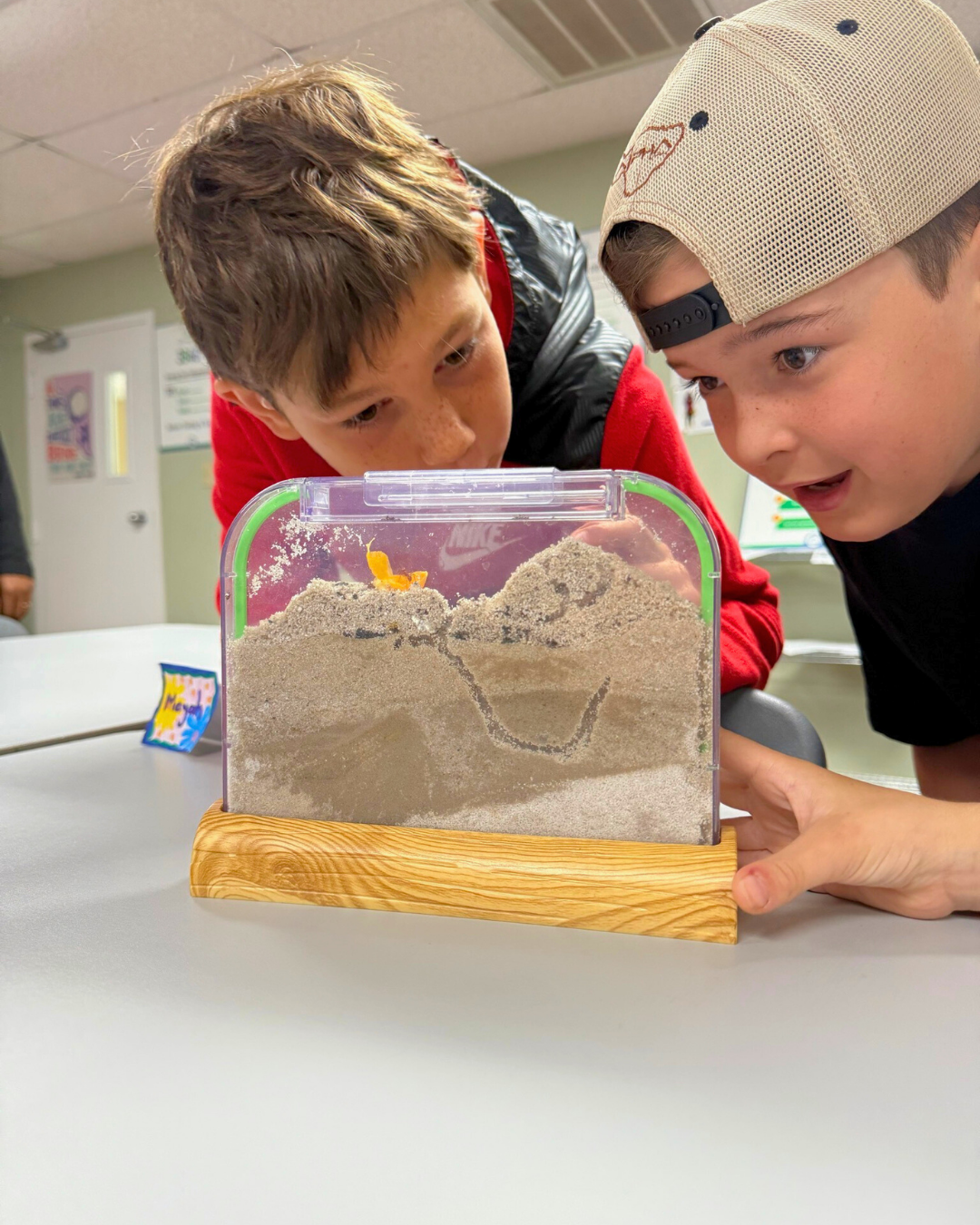
Project-based learning that reinforces concepts through hands-on, meaningful work that explores the sciences and entrepreneurship
Progress is based on true mastery—learners move forward only when they’ve demonstrated understanding, ensuring a strong foundation in reading, writing, and math.
-
Acton Framework In Action
The Discovery Studio is where the core Acton Academy model is fully realized, with a strong focus on independence, accountability, and challenge.
Learners engage in gamified challenges and goal-setting systems that motivate progress and make mastery visible, while building discipline and ownership of their work.
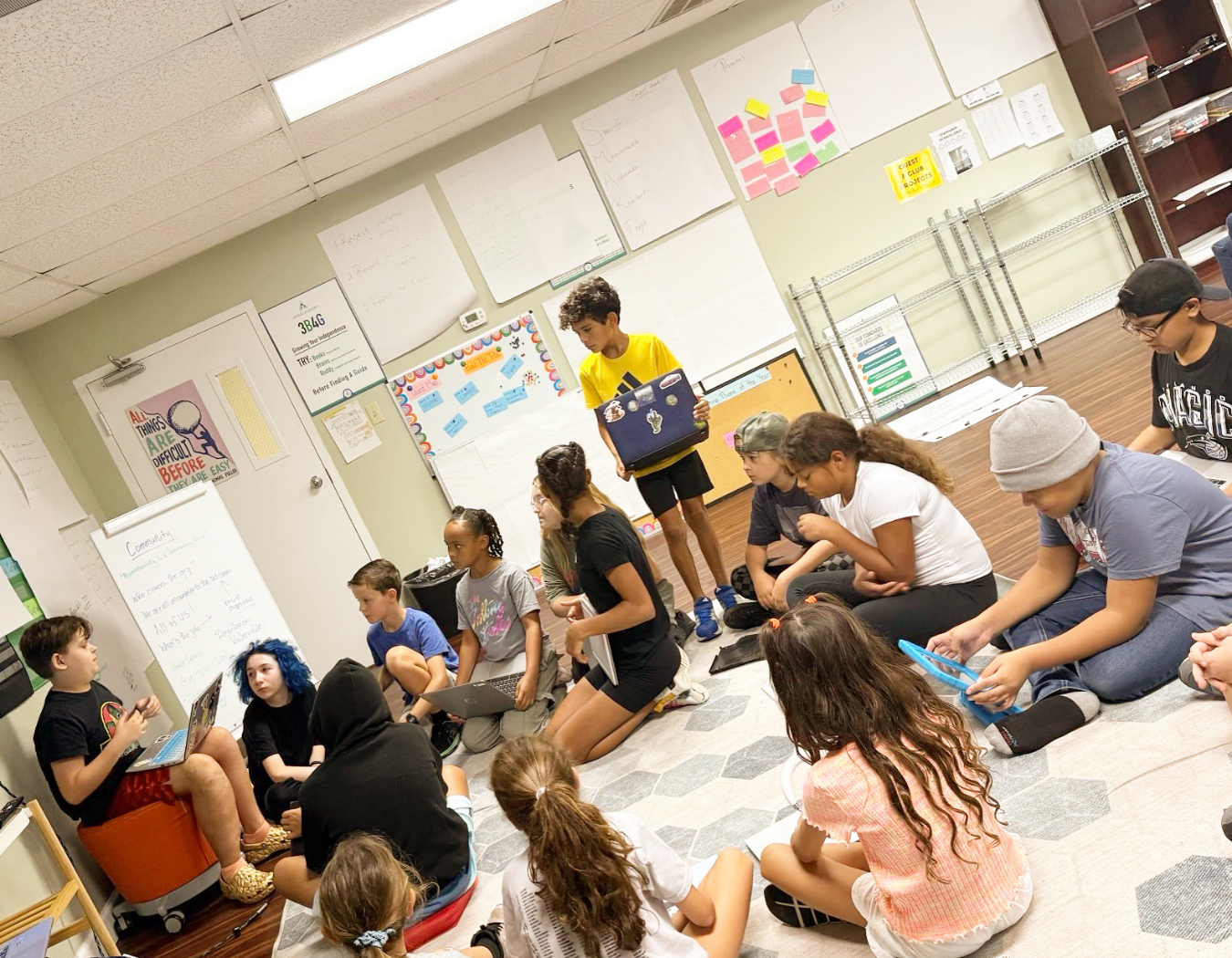
Each day begins with a Socratic Launch, where learners are invited into deeper questions and discussions that develop critical thinking and perspective. The “Question of the Year” is often debated.
Learners take on greater responsibility through peer accountability systems, including Running Partners, 360° peer reviews, and weekly Town Hall meetings, where they give feedback, solve problems, and help shape the culture of the studio.
They also begin to self-govern more fully, taking ownership of studio expectations, decisions, and community standards.
As in all Acton studios, learning culminates in Exhibitions of Learning, where learners share their work, reflect on their growth, and build confidence through public presentation.
-
Technology and Outdoor Play
In the Discovery Studio, technology and outdoor play are both used intentionally to support focus, growth, and balance.
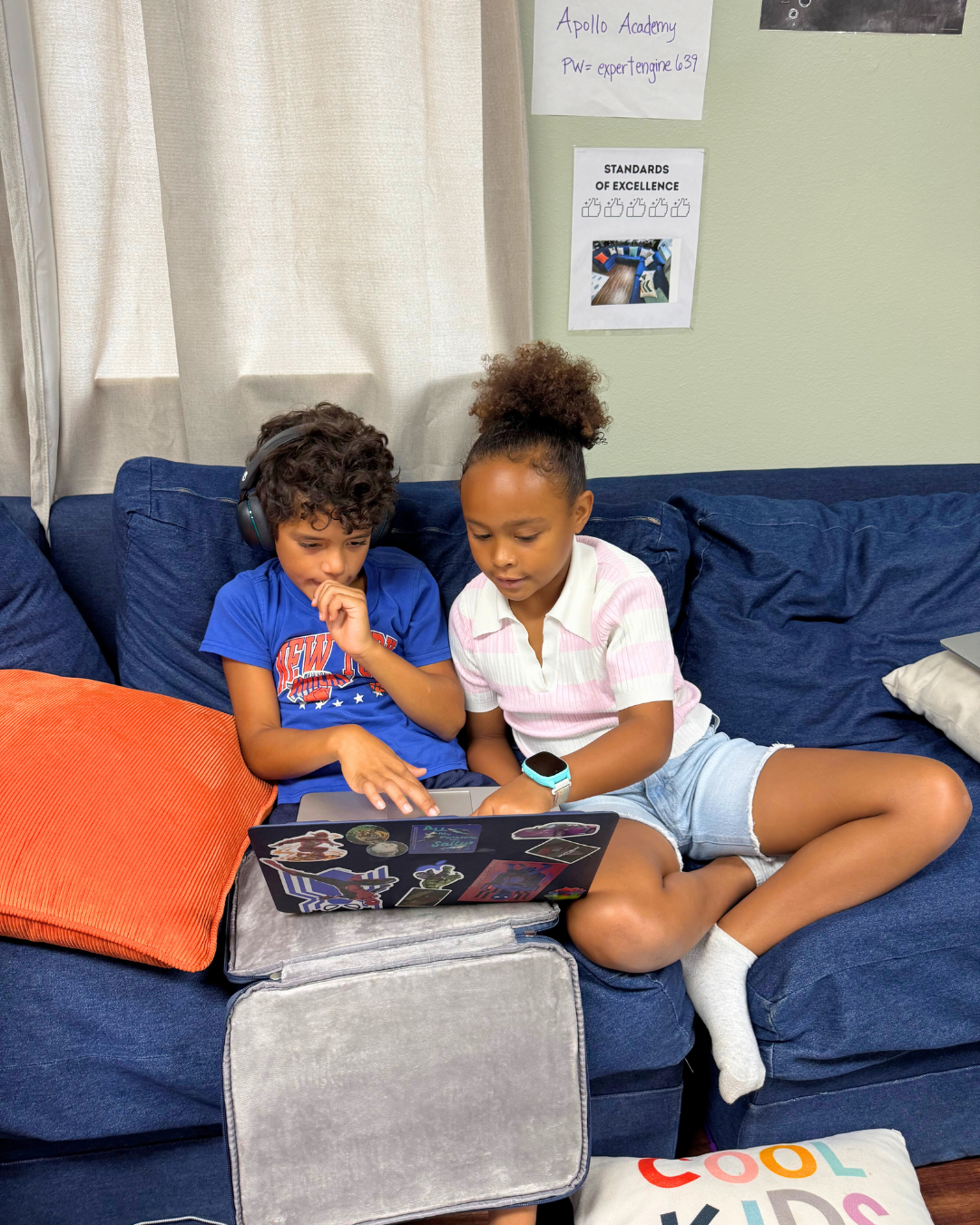
Learners are introduced to technology as a powerful learning tool. Core skills are practiced through adaptive, gamified programs that personalize learning and help learners build independence and “learn how to learn.”
They also use Acton’s online Journey Tracker to set goals, track progress, and earn points—making growth visible and reinforcing accountability.
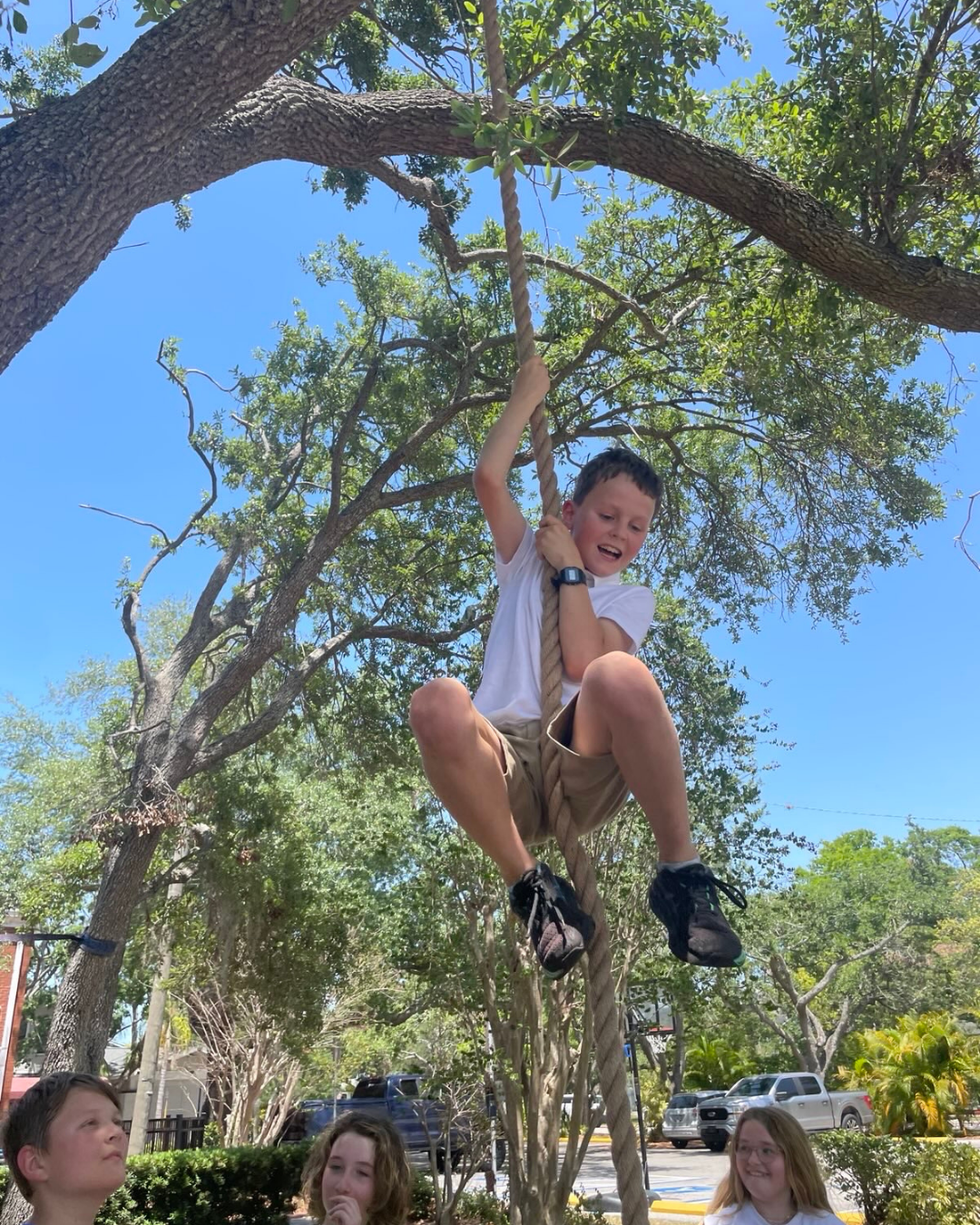
At the same time, learners have multiple opportunities each day to be outside, with at least four dedicated times for outdoor play. These moments provide space to reset, collaborate, and engage in creative, self-directed play.
The balance of focused digital learning and active, real-world experiences helps learners stay engaged, energized, and growing.
Daily Schedule
-
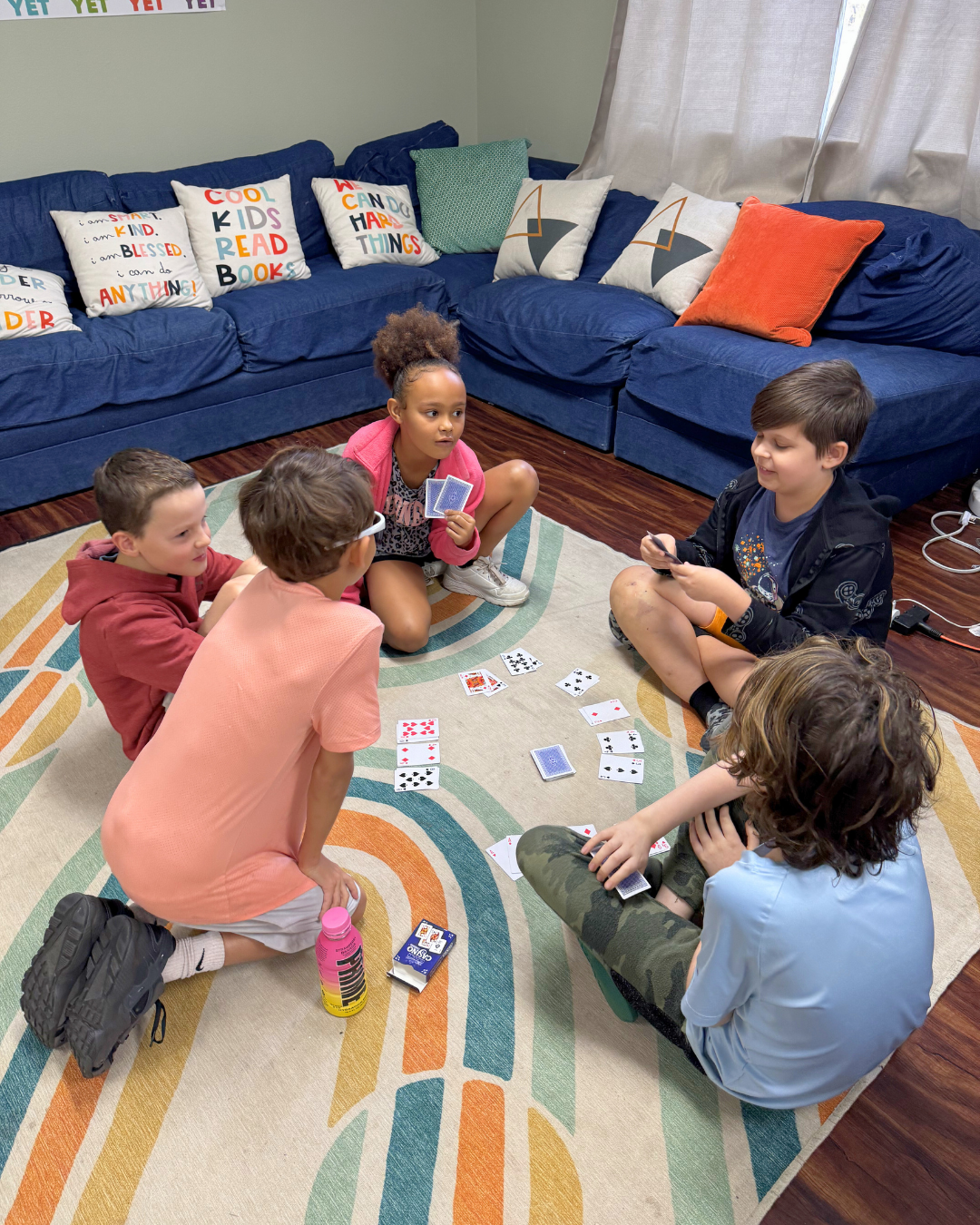
Learners arrive and ease into their day with free play—indoors or outdoors. It’s a relaxed transition that gives space for friendships, creative thinking, and self-regulation before jumping into deeper work.
-
we begin with a Socratic Launch—a short, focused conversation around a character-building or mindset theme. Guides pose open-ended questions like:
Should leaders always do what’s popular?
What’s the difference between being kind and being liked?
Is it okay to fail if you gave it your best?
Learners share perspectives, listen respectfully, and practice civil discourse. They also take on leadership roles like Promise Keeper and Cleaning Captain—building responsibility and ownership within the studio community.
-
Mondays & Fridays: Begin with Tribe Games—team-building activities that build collaboration, communication, and joy.
Tuesdays–Thursdays: Begin with Silent Core Skills Games—30 minutes of deep quiet focus to jump start the day.
-
Core Skills Time is when learners take ownership of building their foundational academic skills.
At the start of this time, learners set goals and choose what to work on, focusing on areas that will move them forward in reading, writing, or math.
They may practice handwriting, read independently, or work on one of their personalized online programs—each option designed to be meaningful, focused, and aligned with their individual progress.
This time builds not only strong academic foundations, but also the habits of goal-setting, focus, and responsibility that support lifelong learning.
At times, it looks more like a small, focused startup environment than a traditional elementary classroom.
-
Learners take a break to refuel and recharge. They’re welcome to snack whenever they feel hungry, and many choose to keep playing through this time—reflecting the learner-driven flexibility we prioritize. Movement, laughter, and fresh air are essential parts of every day.
-
Mondays & Fridays: Civilization—story-driven history, cultural exploration, and hands-on challenges that help learners understand the past and present.
Tuesdays–Thursdays: Writer’s Workshop—anything but traditional, this block is built around engaging writing challenges and games. Each session presents a unique genre or prompt-based competition—whether it’s crafting clever stories using an SAT word in “War of the Words,” writing imaginative stories from zany prompts, or tackling technical writing by creating recipes or how-to guides. Learners write to play, compete, and express themselves. The process includes peer review, guided editing, and often culminates in reading work aloud to the group—building voice, confidence, and a strong sense of audience along the way.
-
This block is where learners practice the habits of a maker: setting a goal, trying things, hitting a wall, asking a peer, and starting over. With real tools and real materials, they learn that "it didn't work" is the beginning of the story, not the end.
Each week, learners choose between a Weekly Big Build that asks for sustained focus and Daily Mini-Challenges that invite quick wins and play. Both paths matter. One builds persistence. The other builds curiosity. Together, they develop the kind of confident, creative problem-solver who believes their ideas are real ideas worth pursuing.
-
Lunchtime is more than just a meal—it’s a social experience where learners gather to share stories, connect with friends, and enjoy nourishing food at their own pace. Just like with snack, learners are trusted to listen to their bodies and eat when they’re hungry, even outside this designated window. Once they’ve eaten, it’s back to more play, exploration, and movement. Whether they’re climbing, building, or pretending, this unstructured time provides a vital opportunity to recharge, build friendships, and stretch both mind and body. It’s in these free moments that creativity blossoms and community strengthens.
-
Every Quest and Club starts with a Socratic Launch, where learners are introduced to hands-on projects that blend science, entrepreneurship, art, engineering, and civic engagement.
-
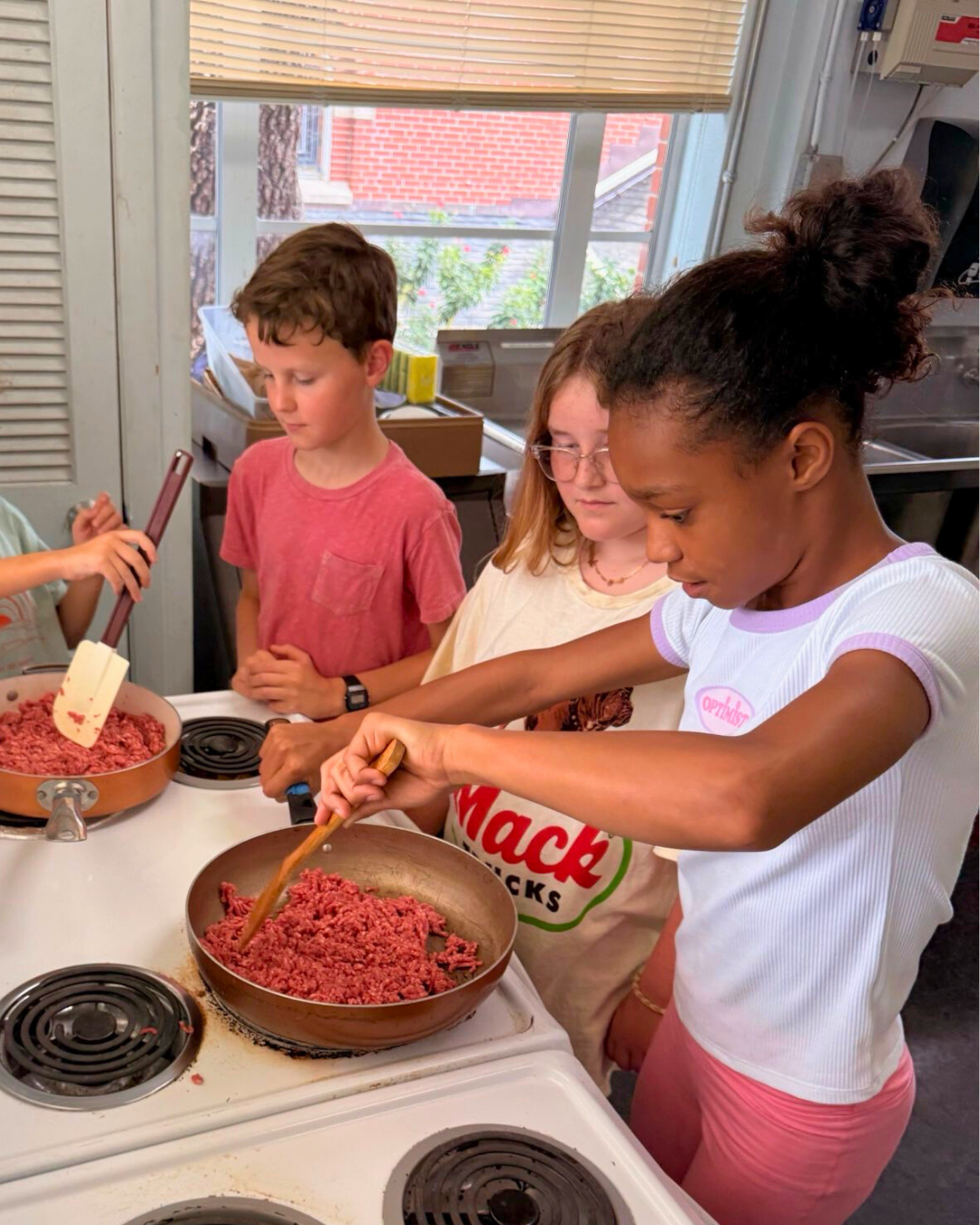
Monday/Friday: STEAM Clubs interest-based clubs like Cooking, Forensic Science, Robotics, Pickleball, and Jewelry Making that allow learners to explore hobbies and passions in a fun, hands-on way.
Tuesday–Thursday: Quest long-term, interdisciplinary projects that promote critical thinking, teamwork, and creative problem-solving. Past quests have included Space Exploration, Entrepreneurship (Launch a Business), Entomology, Road Trip USA, Ancient Athens, and Inventors Fair.
-
Core Skills Time is when learners take ownership of building their foundational academic skills.
At the start of this time, learners set goals and choose what to work on, focusing on areas that will move them forward in reading, writing, or math.
They may practice handwriting, read independently, or work on one of their personalized online programs—each option designed to be meaningful, focused, and aligned with their individual progress.
This time builds not only strong academic foundations, but also the habits of goal-setting, focus, and responsibility that support lifelong learning.
At times, it looks more like a small, focused startup environment than a traditional elementary classroom.
-
At the end of the day, learners take ownership of their space during Studio Maintenance. Whether it’s straightening chairs, organizing materials, or wiping down tables, everyone pitches in. This isn’t just about cleaning—it’s about community, responsibility, and respect for shared spaces. These moments often spark meaningful interactions: learners negotiating who tackles which job, noticing when someone needs help, or taking initiative without being asked.
-
Learners gather in a circle to reflect on their day: What did I accomplish? What challenged me? What am I proud of? These moments deepen self-awareness and build community.
-
Parents arrive while learners enjoy one last chance to move and connect before heading home. From start to finish, a day in Spark Studio is filled with intentional opportunities to build independence, curiosity, connection, and joy. It’s a rhythm that honors childhood—and builds the foundation for lifelong learning.