Spark
Ages 5-7
The Spark Studio is the starting point for Apollo Academy’s learner-driven education. Designed for children ages 5–7, it blends play, exploration, and foundational academics to help young learners develop independence, confidence, and a love of learning while honoring the natural rhythms of childhood.
Learning Design
-
Mastery of Core Academics
In our Spark Studio, learners build strong foundations in reading and math through a blend of hands-on tools, structured programs, and playful reinforcement.
Learners master core academics using:
Montessori manipulatives, which provide a clear, hands-on process and self-correcting approach to building early math skills
The Waseca Reading Program, offering a systematic and sequential introduction to the phonetic elements of the English language
Bob Books, where learners begin their reading journey with simple, decodable stories- often leading to the proud moment: “I read the whole book!”
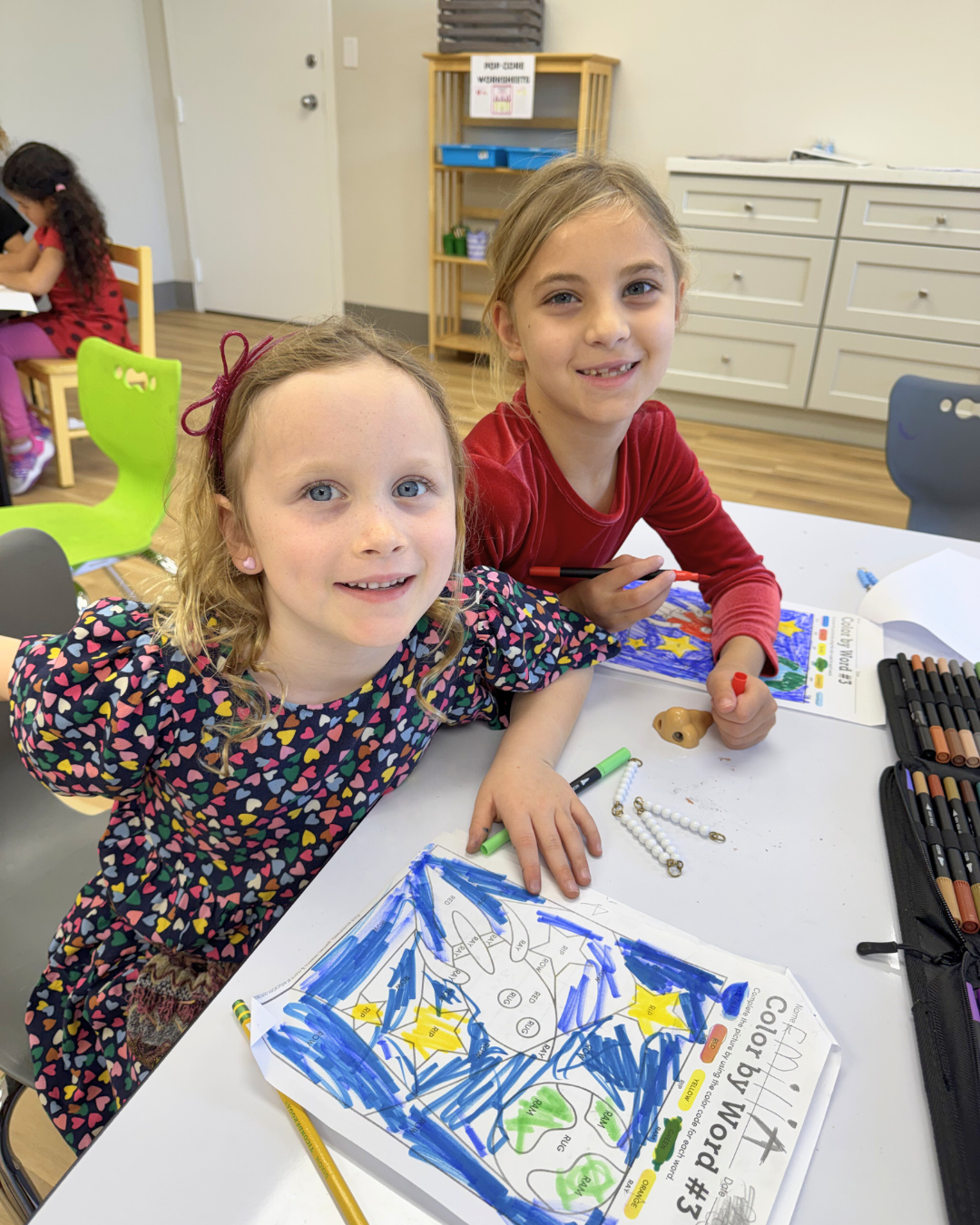
Each day also includes an hour of Pop Core—a fun, engaging game or activity designed to introduce or reinforce foundational reading or math in a joyful, low-pressure way.
-
Acton Framework In Action
In the Spark Studio, the Acton framework is implemented through a balance of intentional play, structure, and early ownership.
Learners engage in a blend of structured and unstructured play, inspired by Montessori and Reggio Emilia, allowing them to build independence, creativity, and social awareness in a developmentally appropriate way.
Each day begins with a Socratic Launch, introducing big ideas through stories and questions that spark curiosity and thinking.
Learners are introduced to simple accountability systems and take part in studio maintenance, helping them develop responsibility and pride in their environment from an early age.
Learning is made visible through regular Exhibitions of Learning, where learners share their work and growth with others—building confidence and communication skills.
-
Technology and Outdoor Play
In our Spark Studio, technology is used minimally so learners can stay fully engaged in hands-on experiences, relationships, and play.
The only technology in the studio is a shared TV, used occasionally for short educational videos, guided mindfulness, or quick brain breaks.
The rest of the day is spent interacting, creating, building, and exploring—with a strong emphasis on real-world, hands-on learning.
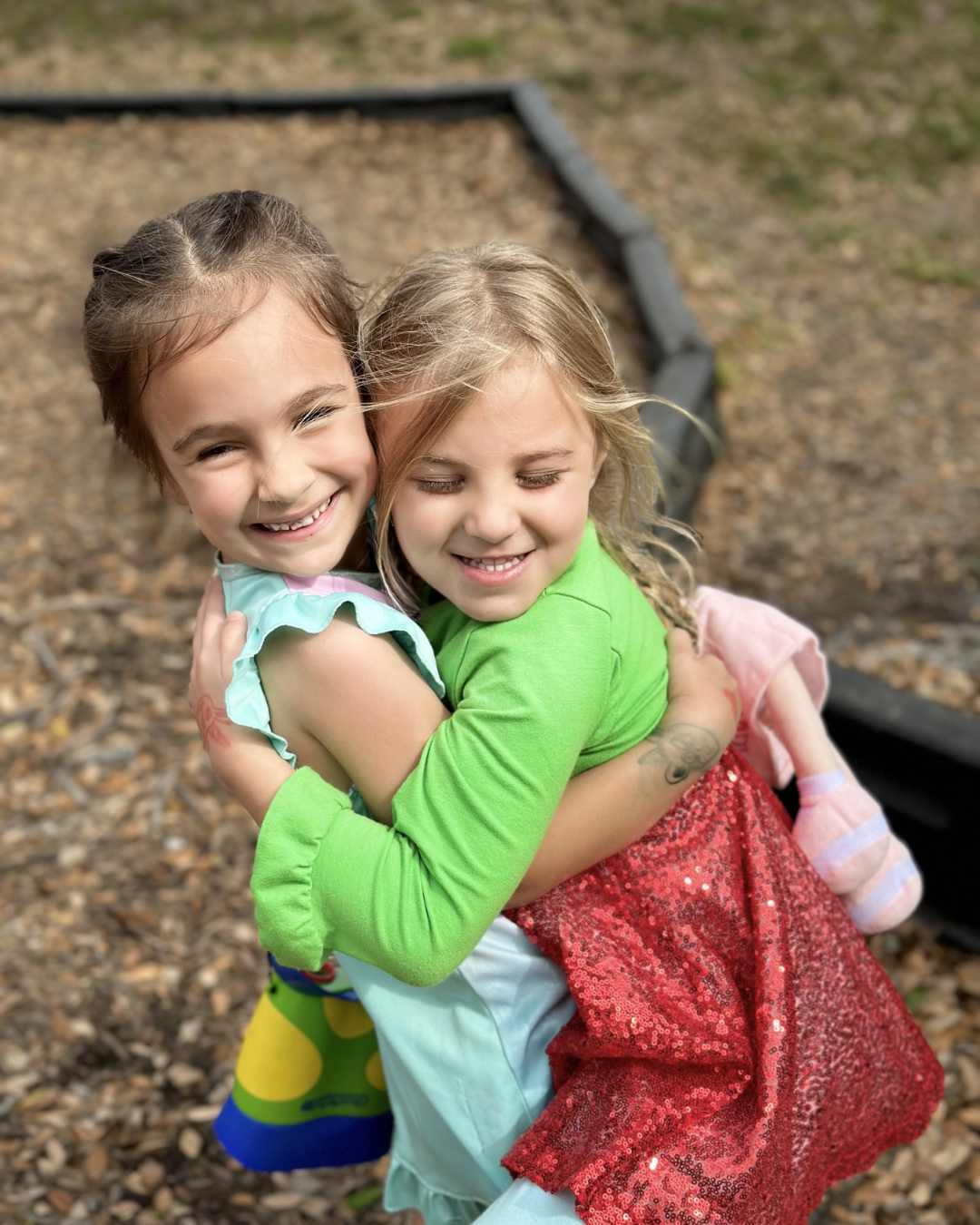
Learners also go outside multiple times throughout the day, with the schedule offering six opportunities for outdoor play. This is where some of the most meaningful learning happens—through imaginative games, collaboration, and self-directed play.
When children are given the space to move, create, and invent, their creativity, confidence, and social skills naturally come to life.
Daily Schedule
-
Learners arrive and ease into the day with open-ended play. This time is intentionally unstructured to allow learners to warm up socially, explore their environment, and connect with friends in a relaxed setting- inside or outside on the playground.
-
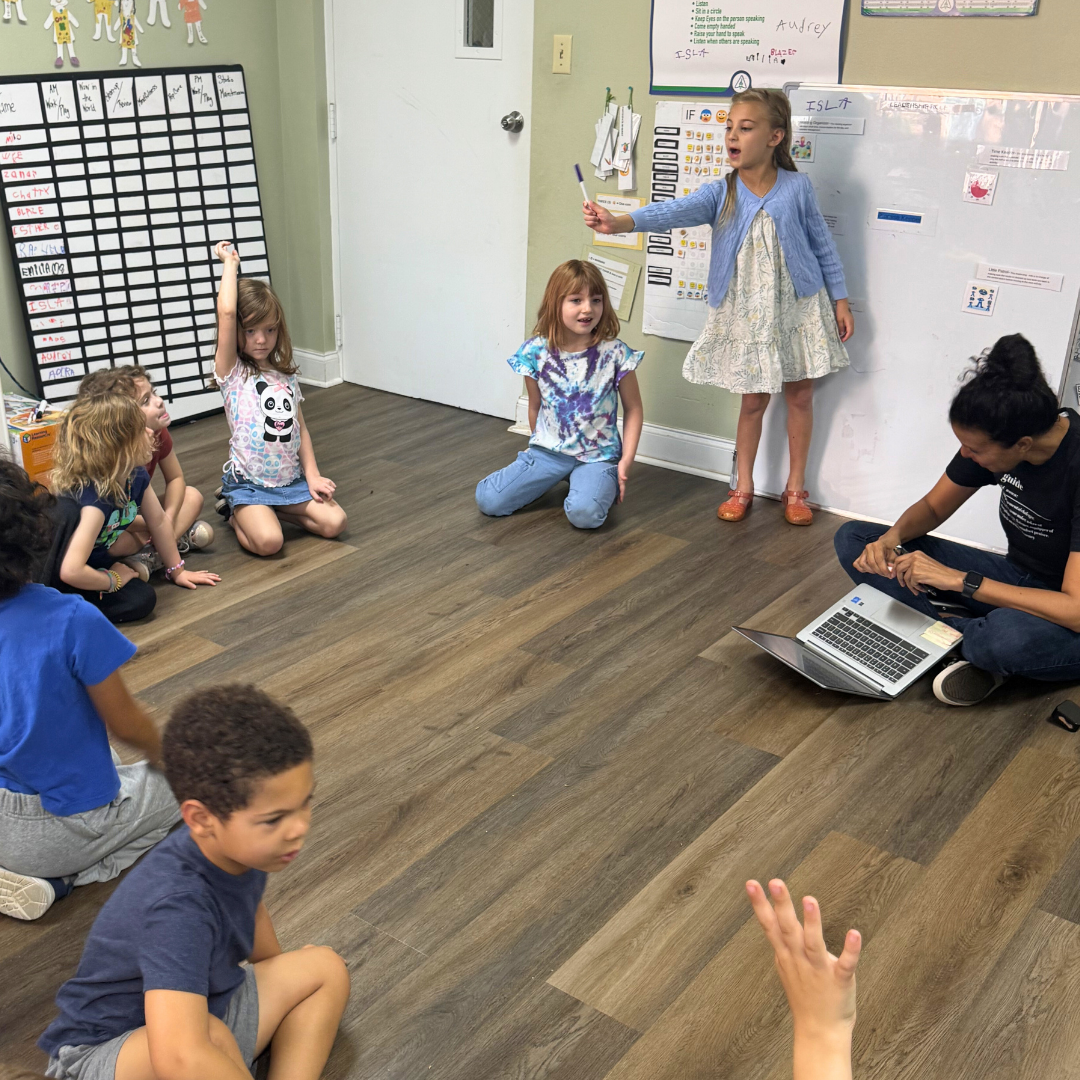
Each day kicks off with a Socratic discussion, where Guides pose thought-provoking questions to spark curiosity and reflection. These are never yes-or-no questions—they’re open-ended and designed to build critical thinking and respectful discourse. Topics are often rooted in character development. For example:
“Is it better to be kind or to be honest?”
“Should you always follow the rules?”
“What makes someone a good friend?”
Learners practice listening, taking turns, and sharing ideas as they set intentions for the day ahead. During this time, learners also assign important studio roles—like Meeting Organizer, Kindness Keeper, Timekeeper, or Litter Patrol. These leadership roles help learners contribute to their community, take responsibility, and experience the joy of being trusted with meaningful tasks.
-
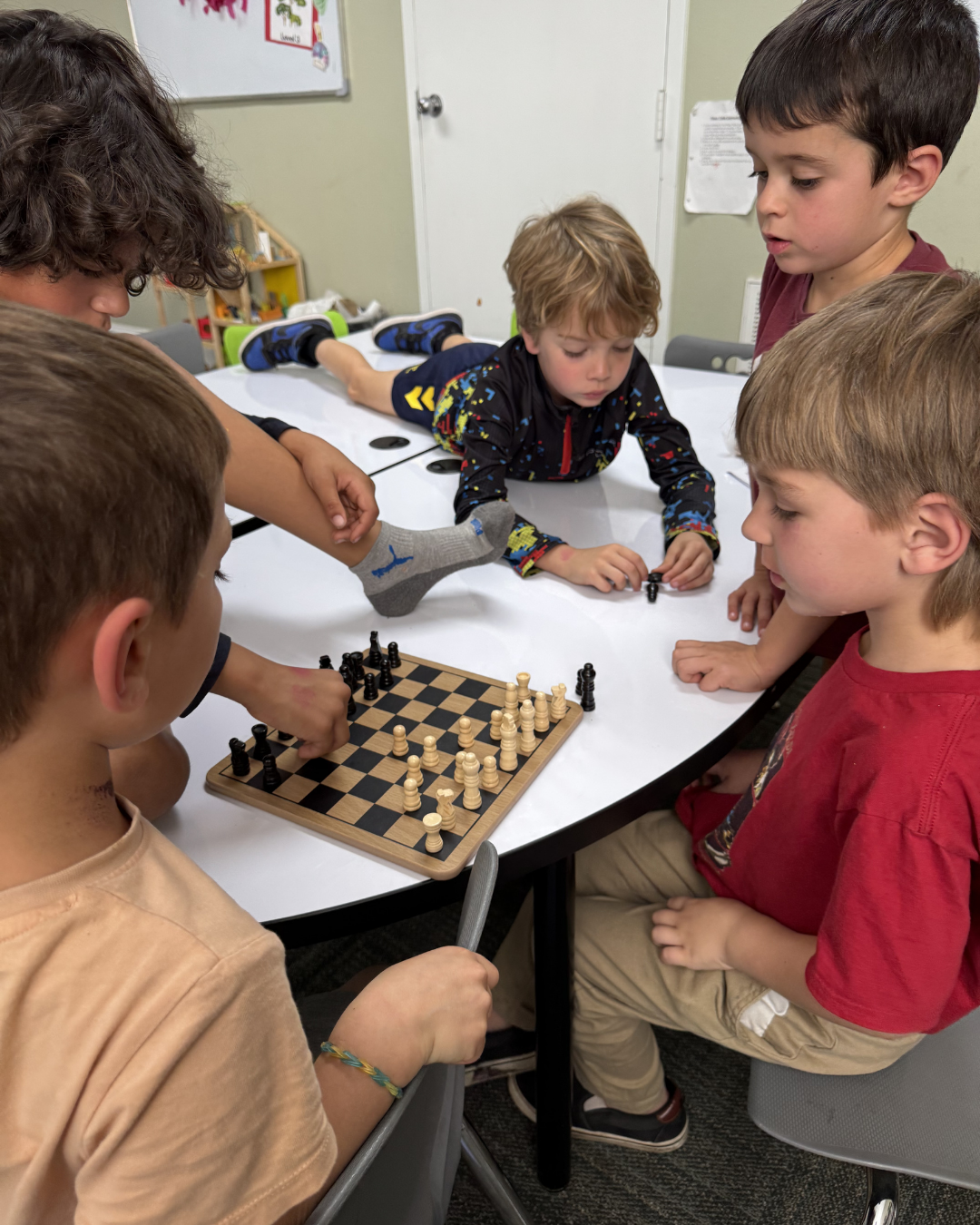
This time is all about community building and collaborative play. Learners participate in structured and unstructured games and activities—think board games, Magnatiles challenges, partner puzzles, or group relays—that build teamwork, communication, and problem-solving skills in a joyful way.
-
Learners choose their starting point: work or play.
Play is unstructured and child-directed. Whether inside the studio with Legos, art supplies, or imaginative play setups—or outside enjoying nature—this time honors the value of creativity and social development through free play.
Work focuses on Core Skills: reading, math, and language arts. Learners can choose from a variety of Montessori materials, learning games, or books depending on where they are in their journey.
After 30 minutes, the Timekeeper announces a transition to the other choice. This rhythm supports autonomy while reinforcing responsibility and time management.
-
Learners refuel with a snack and enjoy fresh air and physical movement outside, which helps reset their energy and focus for the next stretch of the day. While this is the designated snack break, learners are welcome to eat whenever they feel hungry throughout the day—another way we support autonomy and listening to their bodies. Often, this time also turns into a joyful extension of play. Whether it’s building a fort, creating games with friends, or simply exploring nature, this mid-morning window is a favorite for curiosity, connection, and imagination.
-
This 45-minute block honors two truths about how young learners grow: that deep focus is a gift, and that bodies need to move together.
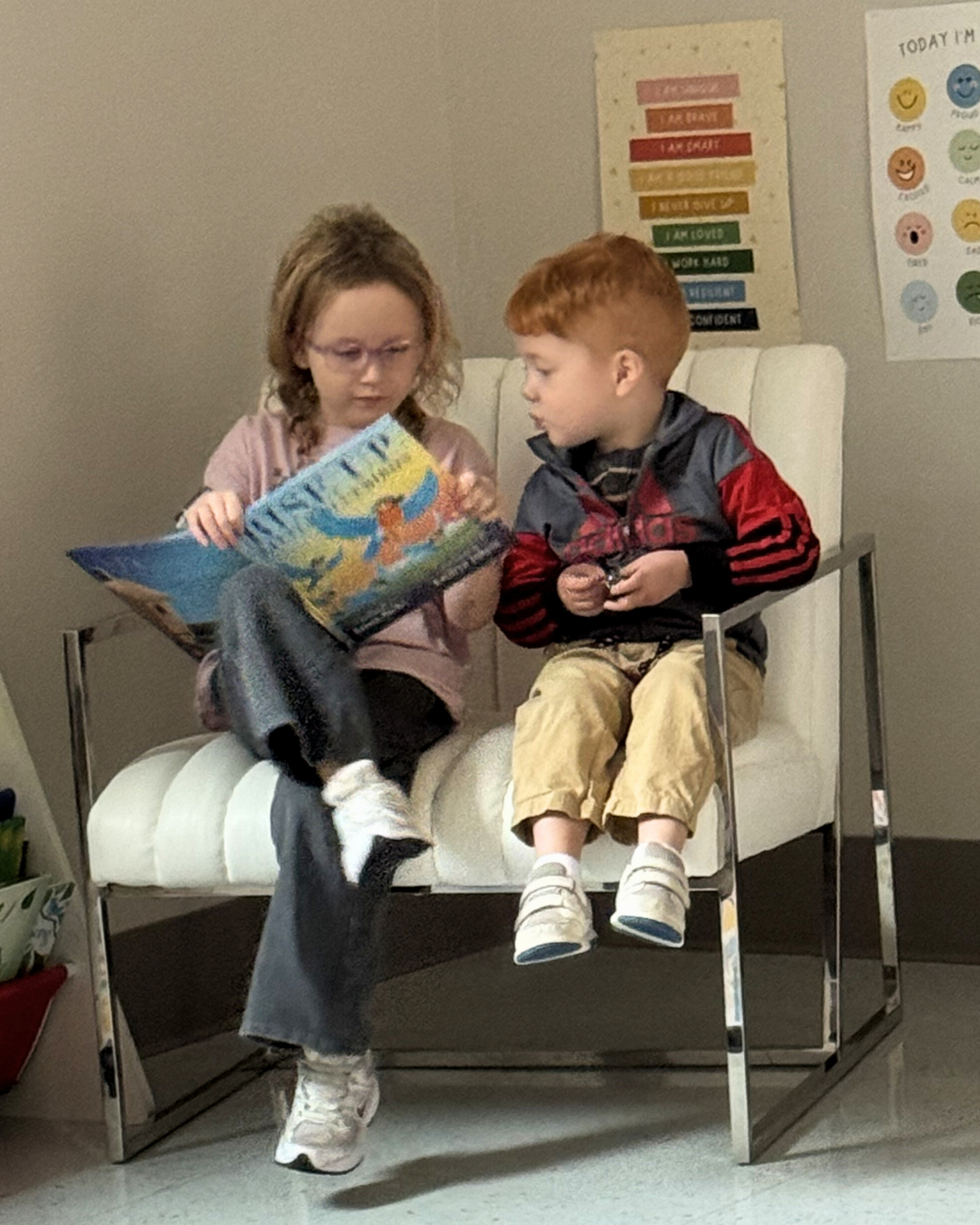
Storytime treats reading as a real choice, not an assignment. Some days learners want to read aloud and share their voice. Some days they want to listen as part of a community. Some days they want to disappear into a book alone. All three are valid ways to love a story, and Spark learners get to choose.
Team Games then brings the whole tribe together for one collaborative game. Quiet work earns the play; the play releases what the quiet built. Together, the block develops courage, attention, and the joy of being part of something bigger than yourself.
-
WOW time is one of the most exciting parts of the day. Based on learner interests, Guides prepare a hands-on project or exploration designed to ignite curiosity. This could be a bubbling science experiment, a collaborative art project, a STEM building challenge, a dive into a historical moment, or a story about a hero who made a difference. It’s all about wonder, discovery, and engagement.
-
Lunchtime is more than just a meal—it’s a social experience where learners gather to share stories, connect with friends, and enjoy nourishing food at their own pace. Just like with snack, learners are trusted to listen to their bodies and eat when they’re hungry, even outside this designated window. Once they’ve eaten, it’s back to more play, exploration, and movement. Whether they’re climbing, building, or pretending, this unstructured time provides a vital opportunity to recharge, build friendships, and stretch both mind and body. It’s in these free moments that creativity blossoms and community strengthens.
-
Learners wind down with calming routines like breathing exercises, yoga poses, or guided imagery. This helps regulate energy and prepare minds for the next work cycle.
-
This is where Spark learners practice the habits of a maker: setting a goal, trying things, hitting a wall, asking a peer, and starting over. With real tools and real materials, they learn that "it didn't work" is the beginning of the story, not the end.
Each week, learners choose between a Weekly Big Build that asks for sustained focus and Daily Mini-Challenges that invite quick wins and play. Both paths matter. One builds persistence. The other builds curiosity. Together, they develop the kind of confident, creative problem-solver who believes their ideas are real ideas worth pursuing.
-
Learners rotate through 30 minutes of core skills work and 30 minutes of unstructured play again.
-
Pop CORE is an optional Guide-led lesson focused on foundational Core Skills in an engaging and playful way. Learners can opt in to the lesson—like skip-counting games, phonics bingo, or time-telling races—or choose independent work in reading, math, or writing. It’s all about choice with clear, meaningful options. Pop CORE is designed to bring joy and momentum to learning.
-
At the end of the day, learners take ownership of their space during Studio Maintenance. Whether it’s straightening chairs, organizing materials, or wiping down tables, everyone pitches in. This isn’t just about cleaning—it’s about community, responsibility, and respect for shared spaces. These moments often spark meaningful interactions: learners negotiating who tackles which job, noticing when someone needs help, or taking initiative without being asked.
-
Learners gather in a circle to reflect on their day: What did I accomplish? What challenged me? What am I proud of? These moments deepen self-awareness and build community.
-
Parents arrive while learners enjoy one last chance to move and connect before heading home. From start to finish, a day in Spark Studio is filled with intentional opportunities to build independence, curiosity, connection, and joy. It’s a rhythm that honors childhood—and builds the foundation for lifelong learning.